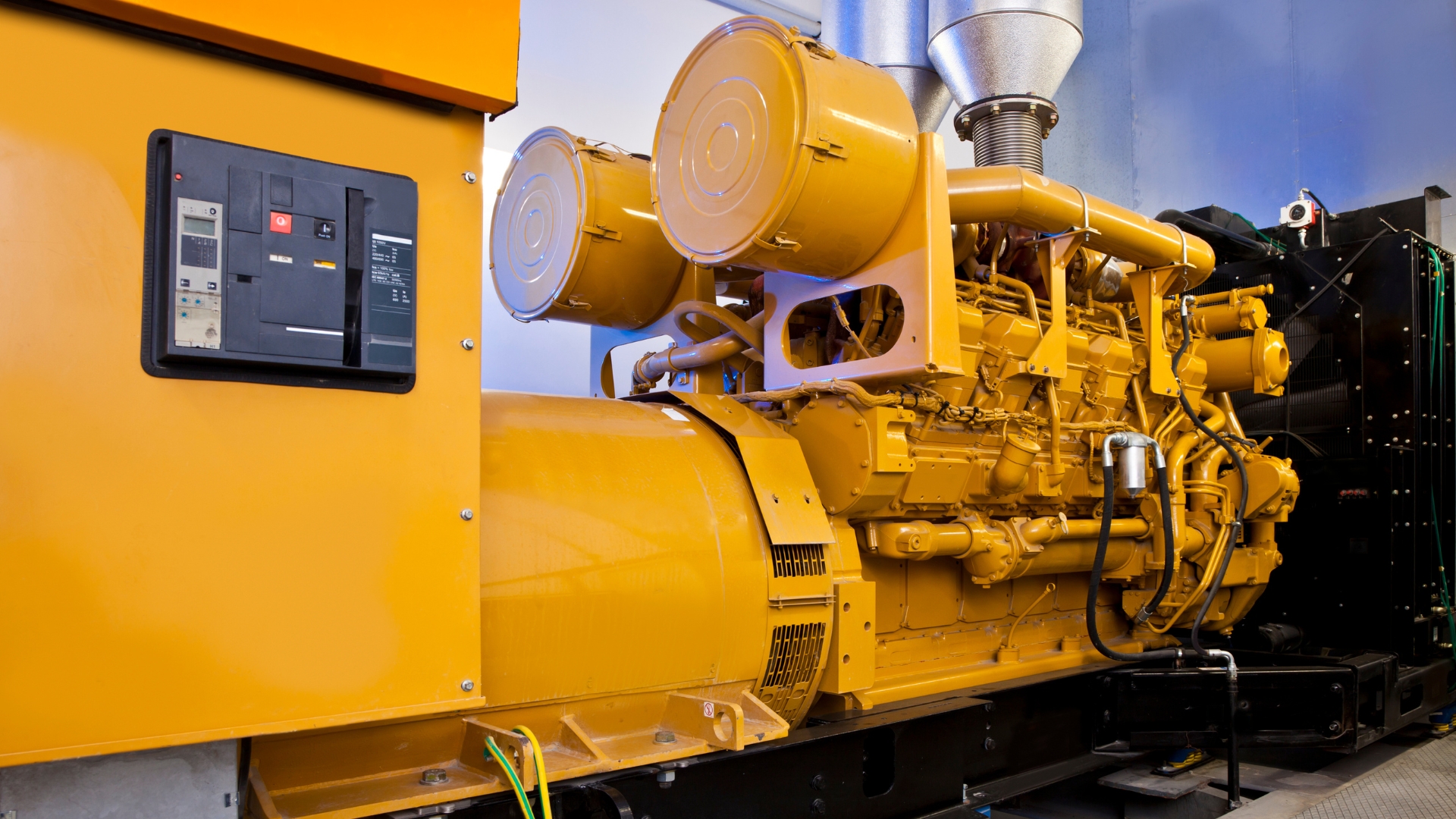
Master Power Solutions specializes in providing tailored power systems services to cater to your specific requirements. Our diverse range of solutions encompasses power generation, distribution, and management optimization. Our services include power studies, system design and engineering, equipment procurement and commissioning, power system analysis, grid integration, and ongoing maintenance support.
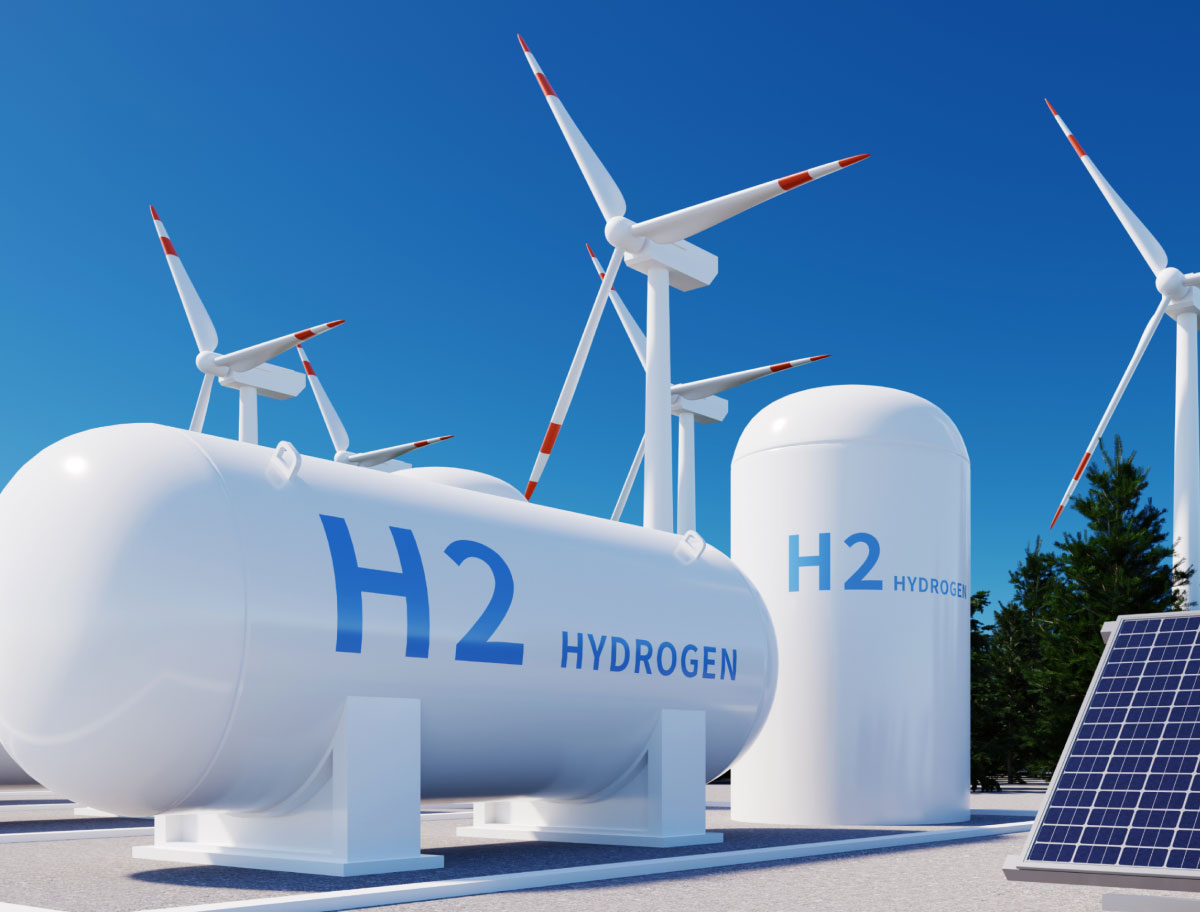
Whether you're seeking the implementation of renewable energy systems, the enhancement of existing power infrastructure for increased efficiency, or the integration of smart grid solutions for advanced control and monitoring, we are committed to delivering dependable and sustainable power supply. With a focus on energy efficiency, minimized downtime, and adherence to regulatory standards, our dedicated team is poised to provide innovative and cost-effective turnkey power systems, bolstering your operational capabilities and fostering enduring success.

At Master Power Solutions, we excel in the design and engineering of customized power systems for oil and gas facilities. Our approach encompasses vital considerations such as load requirements, safety regulations, and environmental standards. This comprehensive approach spans power generation, distribution, and control systems. We possess the expertise to evaluate existing power infrastructure, offering recommendations for upgrades aimed at amplifying efficiency, reliability, and safety. This may encompass transformer replacements, switchgear upgrades, and the seamless integration of cutting-edge monitoring and control systems.
Master Power Solutions excels in designing and installing backup gas power systems, ensuring uninterrupted operation during power outages or emergencies. Our expertise extends to comprehensive research and lab reports for gas applications, enabling us to offer tailored pretreatment solutions.
To elevate the quality of gas supplied to generators, our firm provides customized pretreatment solutions tailored to your specific gas composition and requirements. We employ advanced techniques such as:

Our approach includes the integration of filtration systems like coalescers, particulate filters, and separators. These components effectively eliminate solid particles, liquid droplets, and contaminants from the gas stream. By safeguarding downstream equipment like compressors and generators from potential damage, this enhances overall gas quality.

We deploy moisture removal techniques such as glycol dehydration or molecular sieve adsorption systems. These methods are designed to eliminate water vapor from the gas stream. Effective moisture removal prevents corrosion, boosts combustion efficiency, and positively impacts generator performance.

Our expertise extends to acid gas removal processes, involving systems like amine or activated carbon units. These solutions effectively extract acidic components from the gas, which can otherwise degrade generator performance, elevate emissions, and pose safety concerns. By proficiently removing these impurities, we minimize negative impacts and elevate gas quality.
Case Study

Pollution Systems collaborated with a food manufacturer to address particulate matter (PM) emissions generated during their food processing operations. The installation of a Multi-Vane Scrubber (MVS) effectively captured and removed airborne particulates, ensuring compliance with environmental regulations and improving air quality within the facility. The MVS`s design facilitated efficient particulate collection, contributing to a cleaner and safer working environment. This solution highlights the effectiveness of tailored air pollution control technologies in industrial applications.
For more technical details, view the full case study here: Multi-Vane Scrubber Captures Problematic Particulate at Food Facility


Master Power Solutions excels in assisting clients with the seamless integration of renewable energy sources, such as solar or wind power, into existing power infrastructures. By reducing dependence on traditional fossil fuel-based generation, we help clients achieve their sustainability objectives.
Integrating renewable energy sources into power systems offers a myriad of benefits, enhancing operational efficiency, reducing costs, and promoting environmental stewardship. Some key advantages include:

Recent cost reductions in solar and wind energy make them financially viable alternatives. Integrating these sources diversifies the energy mix, decreasing reliance on costly fossil fuels.

Renewable energy sources have no fuel costs, providing clients with stable and predictable energy expenses. This mitigates risks associated with fuel price volatility and supply disruptions.

Solar energy, generated at the point of consumption, supports distributed generation. This minimizes the need for extensive transmission infrastructure, enhancing grid resilience and efficiency.

Wind turbines can be harmoniously installed on agricultural land, offering a dual-purpose without significant interference in farming activities.
Master Power Solutions specializes in delivering comprehensive emissions and pollutant control solutions across industries. Our tailored services aid businesses in reducing emissions, pollutants, and achieving regulatory compliance. Our offerings encompass emission source assessment, feasibility studies, system design, engineering, equipment installation, process optimization, and ongoing monitoring and maintenance. Employing advanced techniques like scrubbers, catalytic converters, and advanced filtration systems, we ensure effective and sustainable solutions.
To align with emissions and pollutant control standards, we prioritize high-energy-efficient motor technologies. This approach not only reduces energy consumption but also minimizes emissions. Our motor management programs encompass monitoring motor performance, energy usage, and emissions, contributing to an environmentally conscious approach.
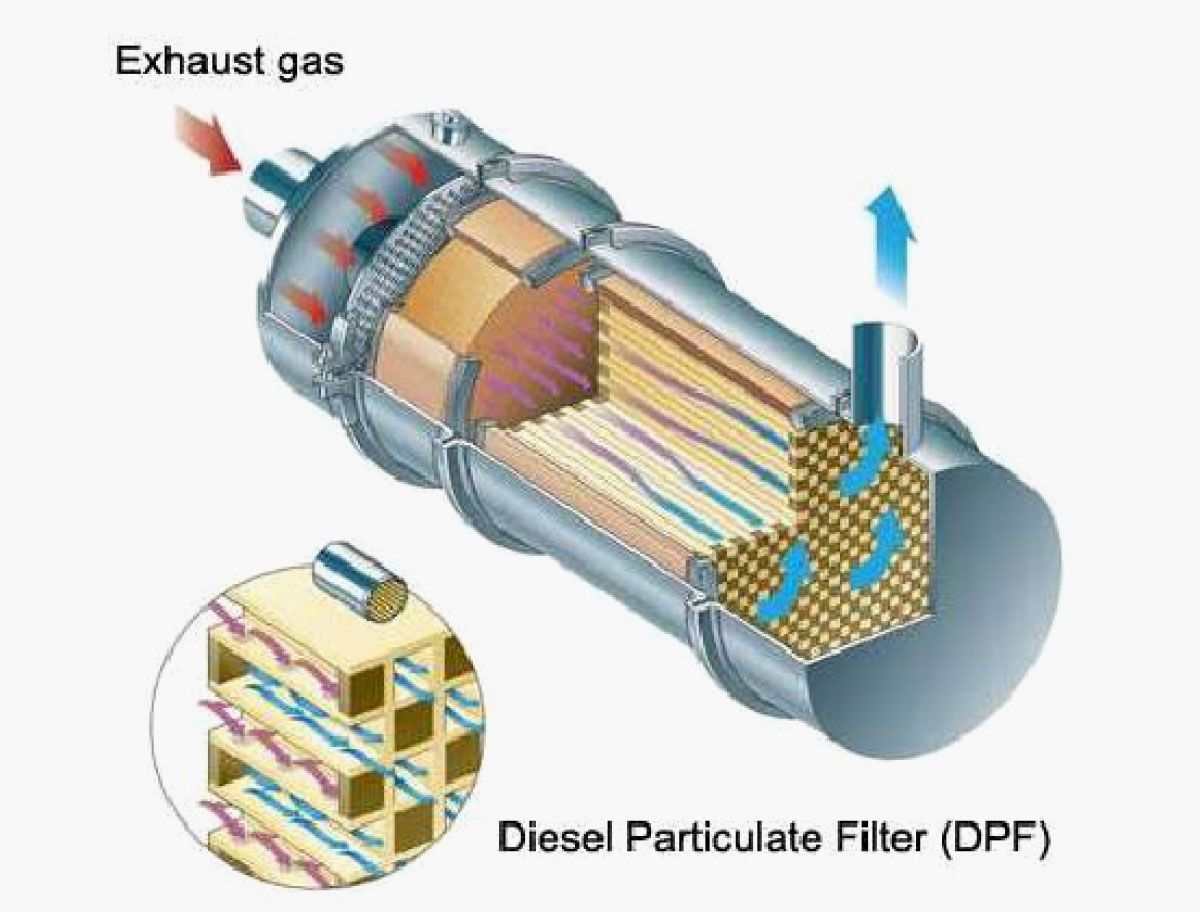
We possess the capability to retrofit existing equipment and engines with cutting-edge exhaust emission control systems. These systems convert harmful pollutants like nitrogen oxides (NOx) and particulate matter (PM) into less detrimental substances, ensuring compliance with emission standards. This involves the installation of catalytic converters, diesel particulate filters (DPF), or selective catalytic reduction (SCR) systems.
Case Study
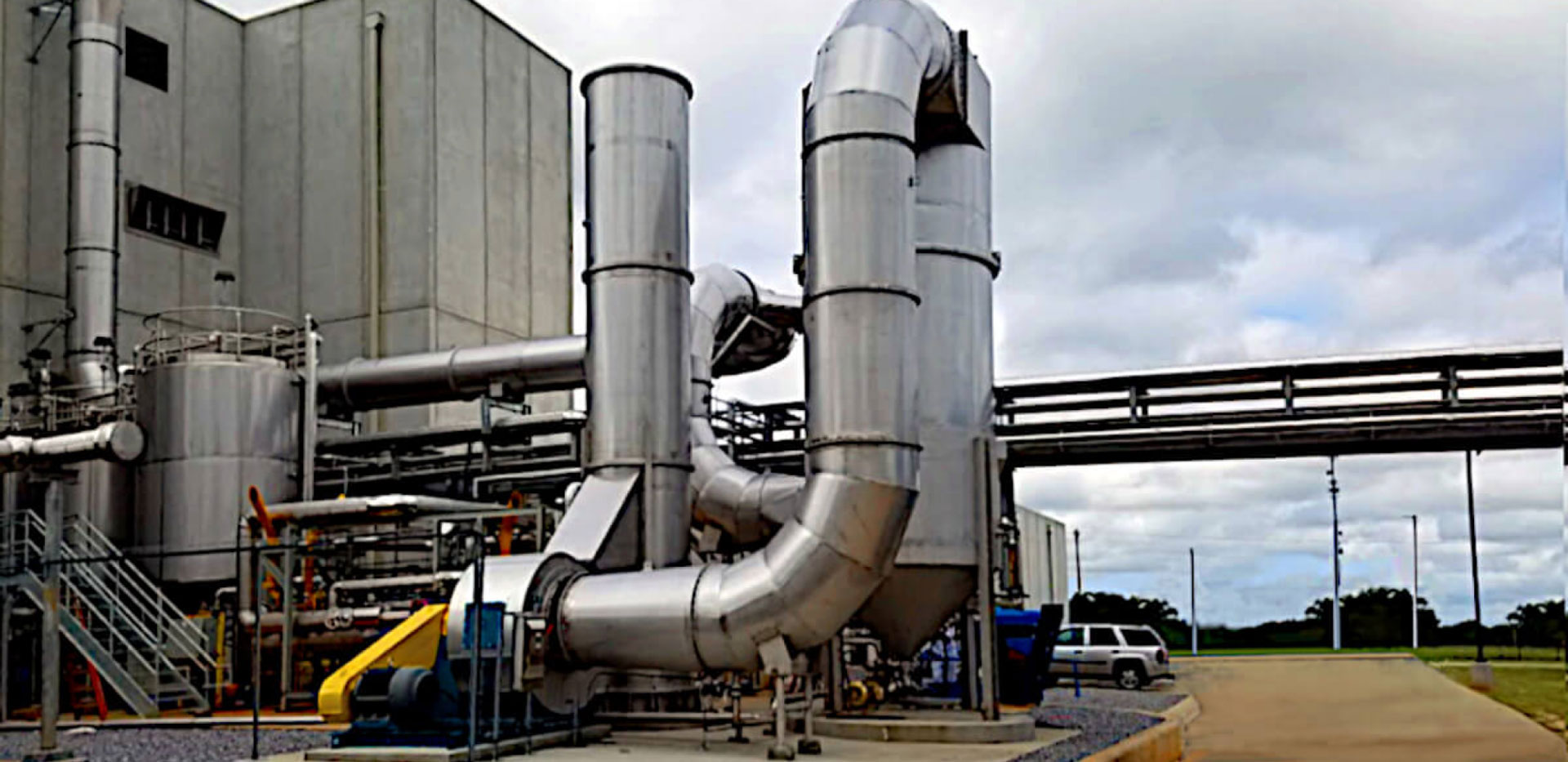
In 2015, a food facility sought an air pollution control solution to mitigate particulate dust
emissions.
Partnering with an external engineering company, the installation of a Multi-vane Scrubber
(MVS-41) was
recommended. Pollution Systems (PSI) expertly assessed the application process and concluded
that the
Multi-Vane Scrubber was the ideal choice, exceeding the client's particulate removal goals and
enhancing
safety. This success led to the installation of an additional Multi-Vane Scrubber at another
facility the
following year, furthering pollution reduction efforts.6
MVS Abates PM at Food Facility | Pollution Systems

350 Hwy 7 E # 307, Richmond Hill, ONL4B3N2,Canada


Monday – Friday 9am to 5pm